
Analytical Solutions Capabilities
Liquid Analysis Solutions
Rosemount™ Liquid Analysis solutions include sensors, transmitters, and systems ranging from sample panels and SWAS to complete liquid analysis assemblies. These solutions provide continuous inline measurement of pH, ORP, conductivity, dissolved oxygen, ozone, chlorine, and turbidity. Ideal for chemical, power, refining, food & beverage, pharma, and water industries.
Resources
Effective Chlorine Analysis to Reduce Water Treatment Costs
Reduce Cost & Risk Involved in Project Execution of Complex Analytical Systems
pH Measurement Challenges in Dirty Water Applications

Frequently Asked Questions
Protecting critical plant assets and preventing corrosion, scaling, and fouling, process liquid analytical systems continuously monitor key water chemistry parameters, such as pH, conductivity, dissolved oxygen, silica, sodium, and phosphate, through integrated sampling, sensing, and analytical systems.
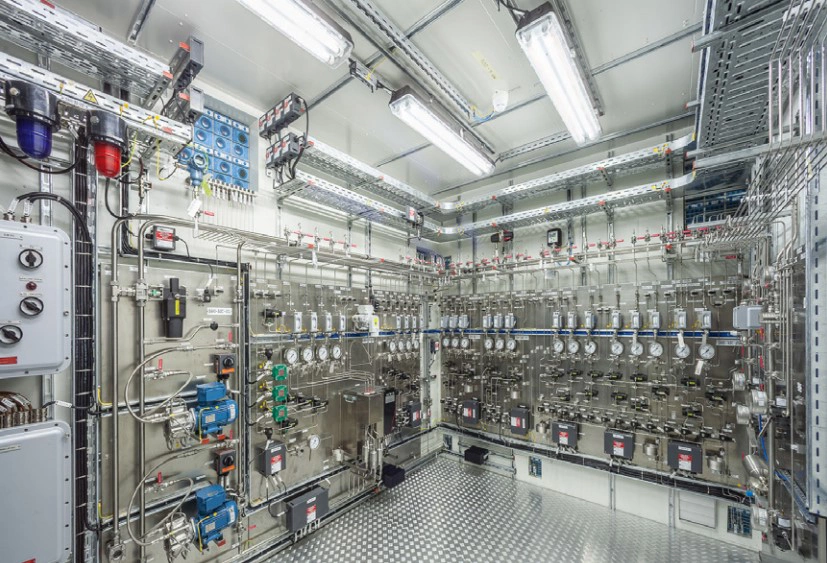
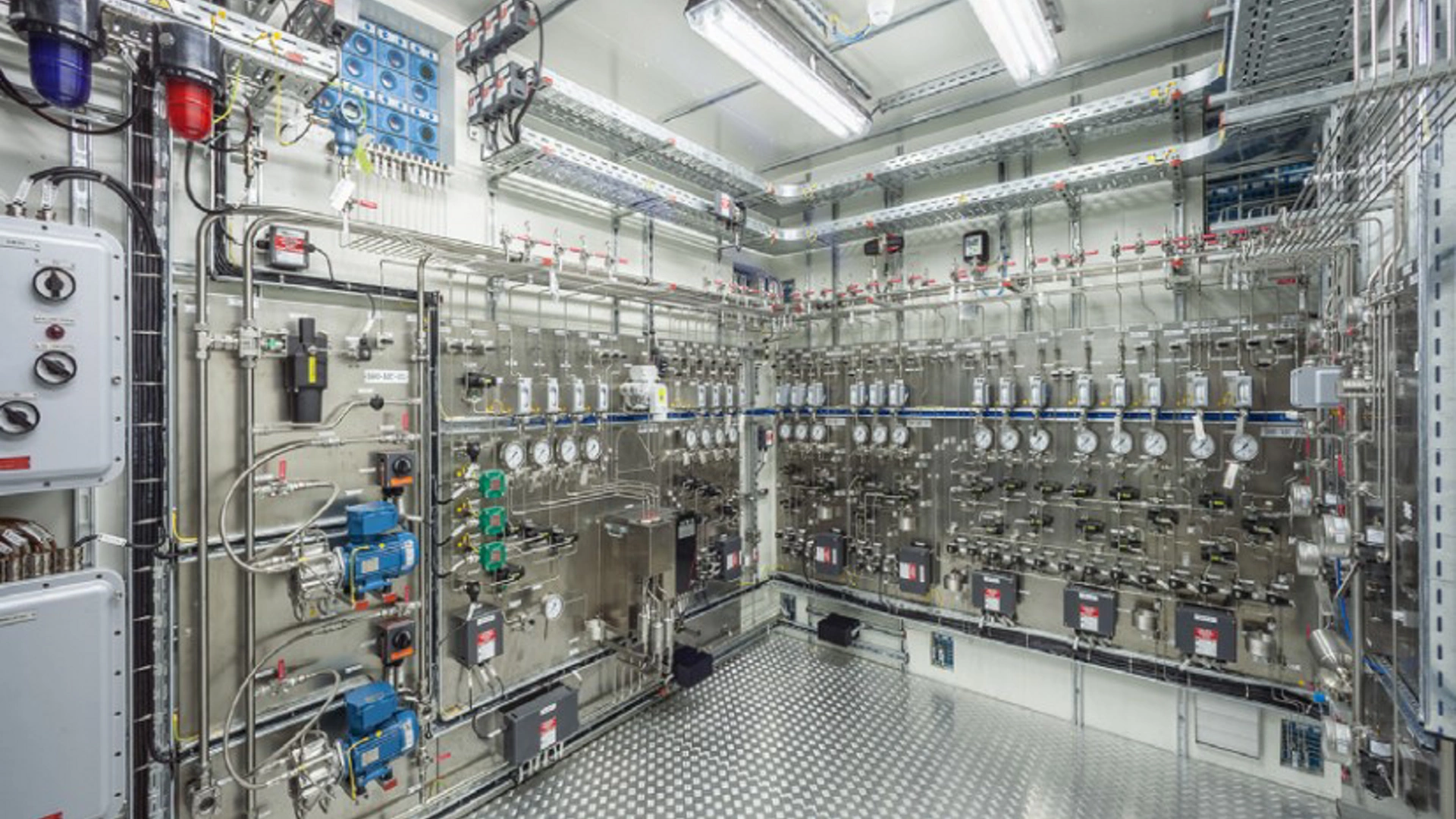
A complete engineered system is the ideal choice when the application requires sample conditioning, multiple sample points, system integration, or control-system connectivity, not just a single measurement.
Emerson process liquid analytical systems measure key water chemistry parameters including pH/ORP, conductivity (specific, cation, and degassed), dissolved oxygen, sodium, silica, phosphate, chloride, hydrazine, total organic carbon (TOC), iron/copper, turbidity, and related contaminants.
A Steam & Water Analysis System (SWAS) is an integrated analytical solution that continuously monitors the chemical purity of water and steam by extracting, conditioning, and analyzing samples from multiple points in a plant. It is used in high-value processes, such as power generation, LNG, and industrial steam systems, where precise chemistry control is required to prevent corrosion, scaling, contamination, and equipment failure.
Sample conditioning for liquid analysis helps ensure the sample is representative and safe to analyze by controlling pressure, temperature, and flow conditions before measurement. This improves reliability and protects both personnel and instruments.